Harelona Notebook
The Publication

Origin Notes.

Harelona Notebook began from a straightforward observation: the conversation around eating was dominated by approaches that worked for weeks and failed for years. This publication was founded to document what the longer view actually looks like.

01 — Why This Exists

A record of what persists, not what impresses.

The editorial premise of Harelona Notebook is that nutritional sustainability is more legible in retrospect than it is in prospect. The question that drives the publication is not "what should people eat?" but rather "what do people who eat well over decades actually do, and why does it hold?"

That shift in framing — from structured guidance to documentation — changes what gets examined. The research base around long-term eating behaviour is substantial and largely ignored by popular accounts that favour immediacy. Harelona Notebook draws on that research, interprets it through editorial lenses developed over years of close reading, and presents it in a register that reflects its actual complexity.

There are no protocols here. No numbered rules, no phased plans, no before-and-after constructions. The publication is concerned with patterns, with the architecture of everyday food practice, and with the conditions under which that architecture becomes durable rather than brittle.

Sunlit reading nook with a stack of open journals and a warm cup, quiet editorial working environment

London — Sekforde Street studio, 2026

02 — Contributors
Editorial portrait of Eleanor Ashcroft in a quiet indoor setting with warm natural light, serious expression
Eleanor Ashcroft
Editor-in-Chief

Eleanor has spent the better part of a decade writing about the intersection of behavioural patterns and long-term nutritional outcomes. Her work draws on a background in nutritional science and a persistent interest in why people eat as they do rather than as they intend to.

Editorial portrait of Tobias Linwood photographed in a sparse workspace with diffused overhead light
Tobias Linwood
Contributing Editor

Tobias writes on the cultural dimensions of food practice, examining how social environment, shared eating occasions, and shifting cultural norms shape the patterns that individuals develop over time. His pieces tend toward the sociological without abandoning the personal.

Editorial portrait of Harriet Marsden against a textured dark background, steady direct gaze
Harriet Marsden
Contributor

Harriet's focus is the psychological architecture of eating behaviour: the attentional habits, emotional associations, and cognitive patterns that determine whether a given nutritional approach becomes embedded or abandoned. Her writing is precise, reader, and informed by a close reading of behavioural research.

03 — Subject Areas

The territory this publication maps.

01
Long-term nutrition patterns

What eating behaviour actually looks like across years and decades, drawn from population-level research and individual accounts.

02
Restrictive diet culture and its patterns

The structural characteristics that make time-limited restrictive approaches reliably fail for the majority of people over extended periods.

03
Habit-based nutritional change

How small, repeated choices accumulate into durable patterns — and how that accumulation differs fundamentally from rule-following.

04
Mindful and intuitive eating research

The growing research base around attentional approaches to eating, examined critically for what it actually shows and where its limits lie.

05
The social and emotional dimensions of food

Eating as social practice, emotional regulation, cultural participation — and how these dimensions interact with purely nutritional considerations.

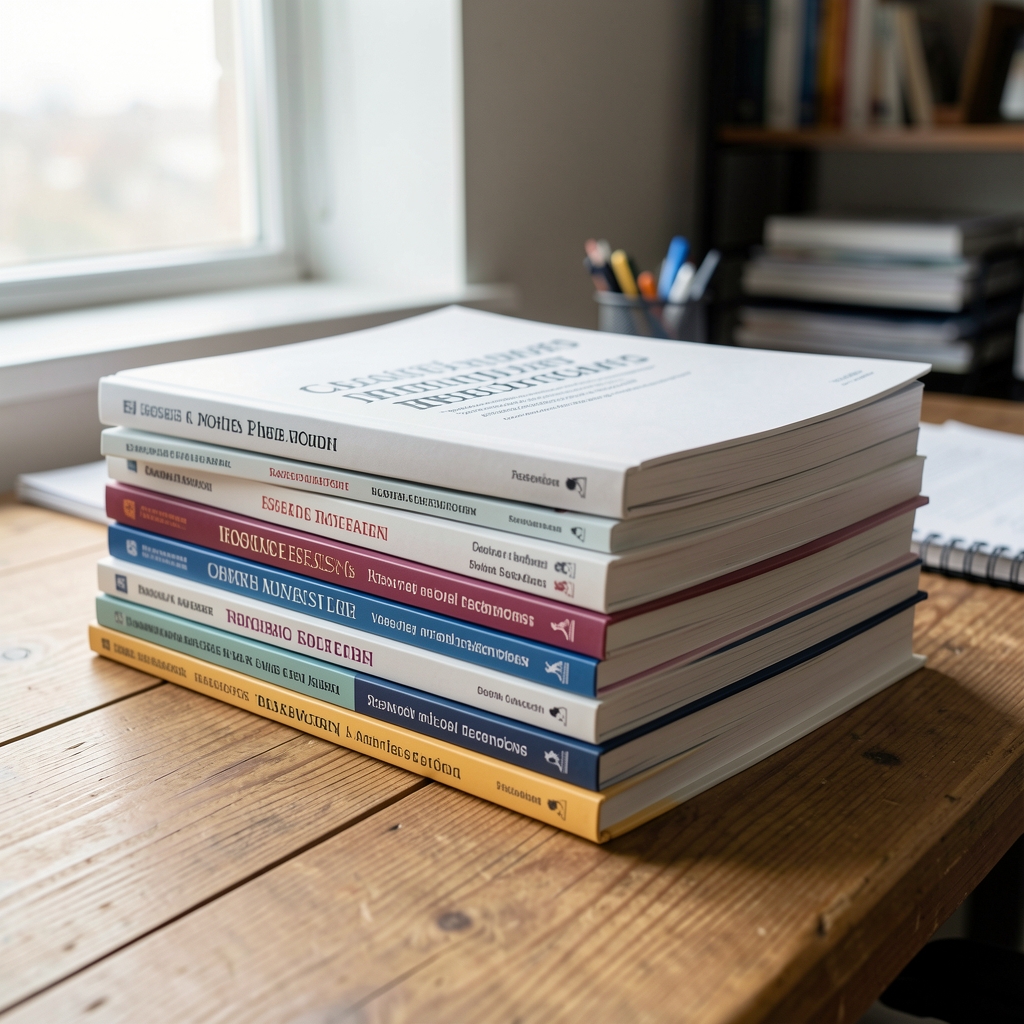
Stack of annotated research journals on a wooden surface, daylight from a nearby window, editorial working environment
Editorial Note

Harelona Notebook is an independent editorial publication focused on everyday wellness practices. The publication is not affiliated with any commercial, governmental, or institutional body. Articles published here are editorial in nature and reflect the writers' observations on everyday wellness practices. The content is not intended as professional advice, nor as guidance for the management of any specific condition. Readers with specific concerns about their daily routines are encouraged to speak with a qualified wellness professional.

3
Core contributors
2026
Year of founding
EC1
London base
0
External advertisers
04 — Common Questions